
 [Cross-posted] Remember Xanadu? It’s become somewhat of a cult hit even though in 1980 it was considered Olivia Newton-John’s mega-turkey. Stylistically, it sits uncomfortably between the 1970s and 1980s, as though there was a vacuum in between the decades. In one scene, Michael Beck insists to Gene Kelly that ‘It’s the ’80s’, but you know that it must have been shot in 1979 and people had not rebelled against disco at the time.
Of course, reality tells us that you can’t mark off decades so clearly: elements of the 1970s necessarily continue into the 1980s, and some of what we regard as 1980s style had their roots in the decade before.
But by 1982 there’s no doubt that one was in the 1980s: Rick Dees poked fun at ‘Disco Duck’ on Solid Gold and even ABBA no longer could do number-one hits.
While there aren’t clear decade-dividers, there is a sense among us, as people, to want to bring new things into each era. Who can forget the sense of optimism we all faced as January 1, 2000 came around, even though it wasn’t technically the new millennium yet? We saw the year number beginning with 2 and it was a big deal. All those science-?ction ?lms predicting a new era in the twenty-?rst century brought with them a sense of anticipation—and those that didn’t forecast the end of mankind in 1999 suggested that we might be a nicer bunch in the 2000s than we were in human history’s most violent, murderous 100 years.
Here we are in 2008 and not that much has changed. We de?nitely aren’t nicer; in western countries we might well be more paranoid. But these are, in my reckoning, not twenty-?rst-century issues. This is leftover business from the twentieth century that we have not suf?ciently dealt with, and we still have the opportunity to do something about it.
Terrorism and nutty red brigades were with us through much of my childhood but various western democracies thought they could turn their backs on them. Arafat’s PLO came to the fore in the 1970s, not the 1990s. The negative effects of globalization have been with us since the postwar period. As has communism in Red China, which has brought us the censorship that western media are only now, with days to go before the Beijing Olympics, making a song and dance about.
Just as a new decade does not begin to be “felt” till two years in, a new century won’t be felt till, I reckon, its second decade begins.
The twentieth might well have been marked by our arrogance and over-dependence on technology as the Titanic set sail. And as that century dawned, indeed we were bullish about globalization brought about by shipping routes and the British Empire. As the Titanic sank, we were reminded that we could never be over-con?dent about technology. We might have said a few years before that we had too much to lose from going to war, with the expansion of global trade, but humankind sank into the Great War with new innovations of aeroplanes and machine-guns.
Yet humans remain optimistic as we head into the 2010s. I would say there are more Americans hopeful about Sen. Obama’s race toward the White House than Sen. McCain’s at this stage, regardless of the latter’s attack advertising—because Obama has not de?ned things well. There is a sense of casting off the twentieth century. You see the same in so many areas as people question the economic system, politics, and how we are exposed to global disasters through the media. You also see questioning of the media. All of this inquisitiveness seems to be happening on a wider scale, maybe sparked off by authors and thinkers writing in the last part of the twentieth century trying to lay some useful groundwork for the rest of us as their ideas got out.
What sort of century is emerging? We would like to think that we can solve all the world’s problems because we are blessed with the ability and desire; yet institutions seem to constantly thwart our collective wills. Various individuals take matters into their own hands, be they international philanthropists setting up funds for poorer countries or bloggers trying to break the mainstream media’s deadlock on what we are allowed to know.
Meanwhile, corporations try to feed consumers products as a substitute for Orwellian soma—not necessities which we should look at having, but unnecessary items that take us away from being true to ourselves.
I don’t have the answers to what sort of century we will face. I know what sort of century I would like to face. One where people from all walks of life can realize their dreams, where people can receive the education they want, and where deceit and avarice are shown to be harmful to the collective good. One where imagination and innovation drive forward human progress, rather than impeded by society or corporations because they view them as threats.
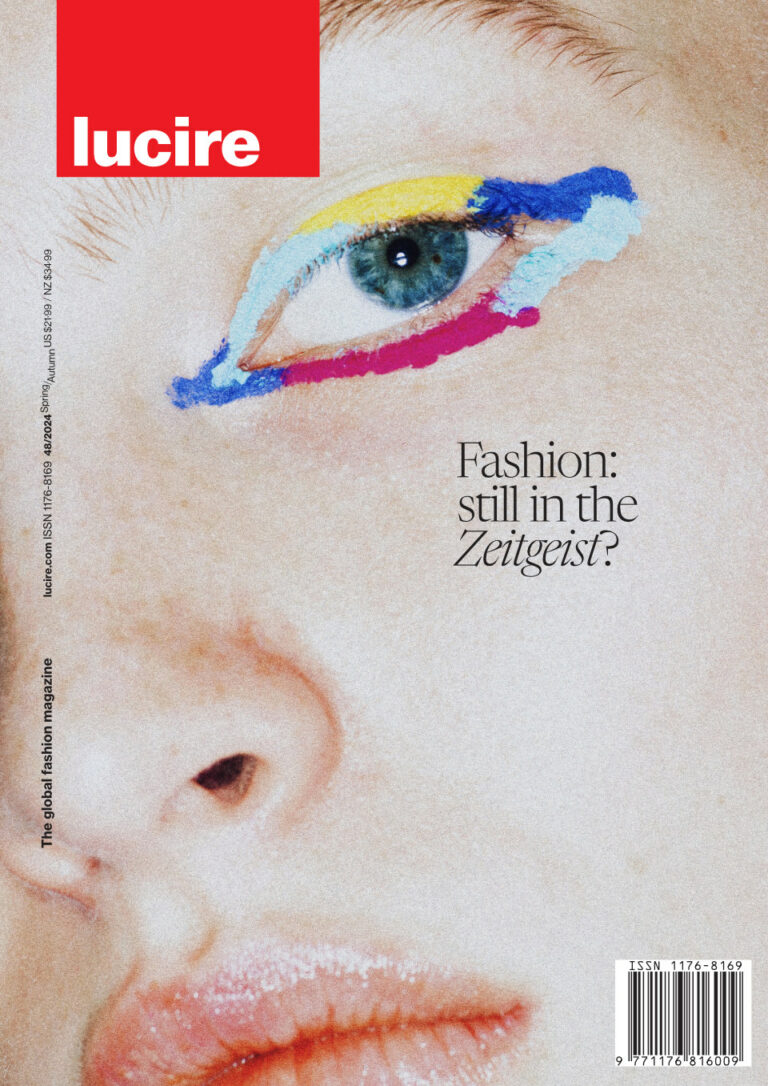
The answer might lie in examining the changes in style between decades. Were they the result of companies dictating fashion or some deeper change in the Zeitgeist, driven by many individuals?
I like to think it was the latter. When the end of 1999 came about, I certainly was not told to head into town to see how crowded or fun Wellington city was. I just went. Something drew me to it.
There is something to be said about people driving the mood of the planet, and how we still have a chance to shape the twenty-?rst century’s destiny as we cast off the negative effects of the previous one.
We know where we goofed. We have seen it in the destruction of freedom or the greed of certain parties; we have seen it through a failure to understand other cultures or how institutions block aid from getting to the people. We know there must be solutions, and we now have a twentieth-century invention—the internet—where we can band together, make some noise and maybe generate real progress. We just need to wake up, realize what is useless in our lives, what we can do for ourselves and others, and get back to ?rst principles. Technology, for instance, is here to serve us, rather than direct us into buying the next little toy to waste away whatever precious seconds we have each day.
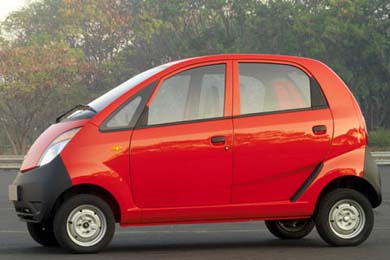
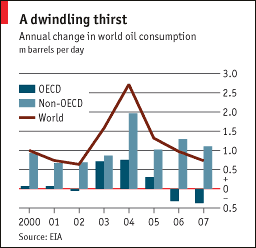
We might de?ne the new century through new energies (hybrid cars are so last century—we can do better), through new ways of reaching people in need (which we are already doing through unprecedented dialogue), and through rede?ning institutions to turn them into agents of change rather than sti?ng collectives of people.
It’s through simplifying our lives and our directions that we can sense what we might want in the twenty-?rst century. Have a think—and maybe we can just put something out there into that Zeitgeist as this century really begins unfolding.
You may also like